What we're building toward
The Hum
A personal resonant energy device. Small enough to sit on a shelf. Simple enough to build in a garage. Open enough that no one can make it disappear.
It doesn't exist yet. We're building toward it — one experiment, one replication, one confirmed measurement at a time.
Our approach: the calculators give the textbook prediction. The patents give a different prediction. You build it, measure it, and report which one your data matches. If 50 independent measurements match the textbook — great, we've mapped the boundary. If they systematically diverge — that's a finding worth publishing. Either outcome is a win.
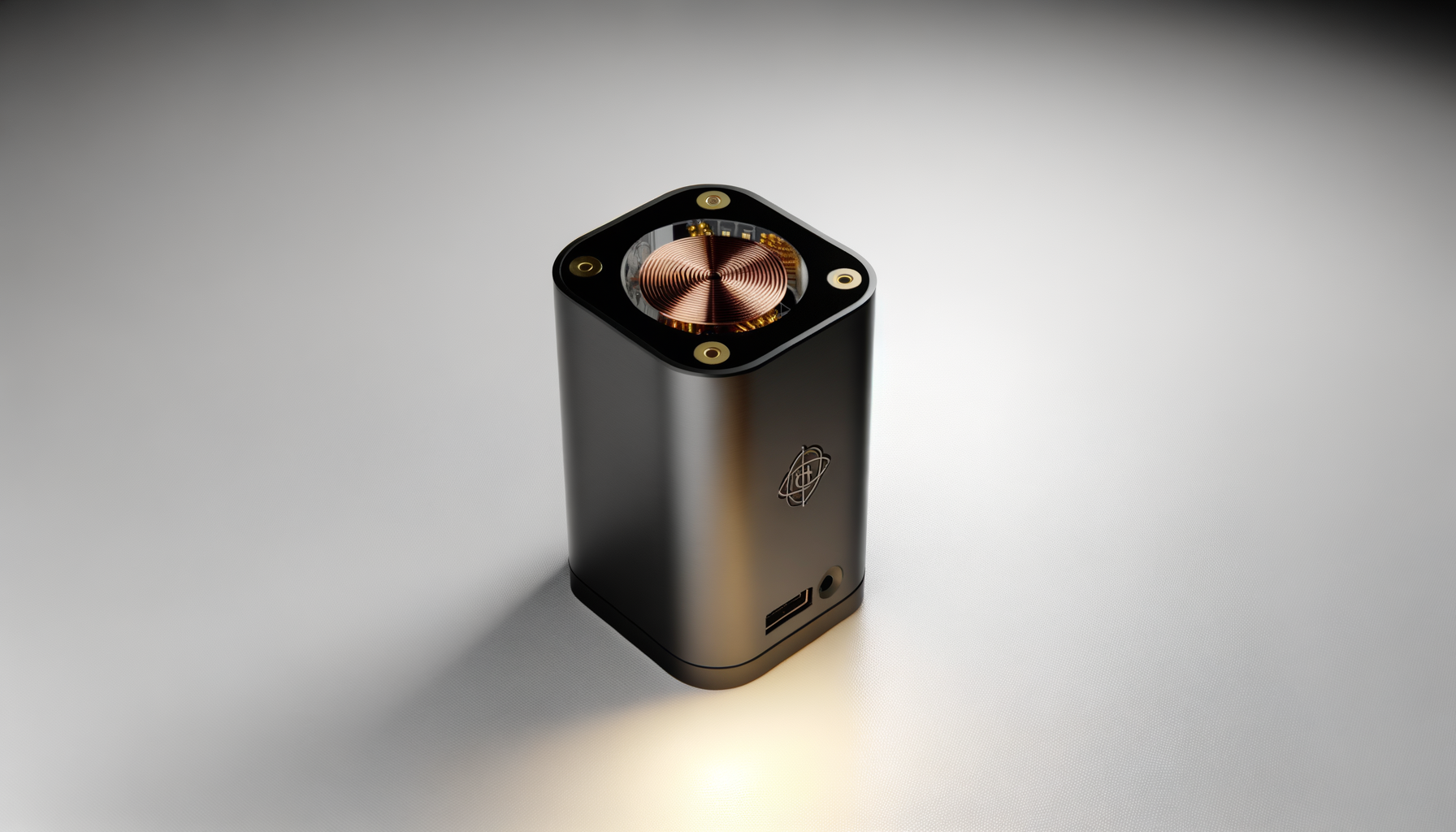
When a resonant circuit is tuned correctly, it hums. A low, persistent, almost living sound. That's the meta-pattern expressing itself — non-linearity, resonance, and pulsed excitation, working together.
You'll hear it before you see it on the instruments.
The architecture
Click. Resonate. Store.
Every child who has ever pumped a swing knows this: small pushes, timed correctly, build massive motion. The Hum is the same principle — applied to electromagnetic energy instead of kinetic energy.
The water wave analogy
In tsunami research, scientists use large water tanks to study how seismic movements amplify waves. They discovered that specific patterns of small, rhythmic pulses — each arriving at exactly the right phase — cause waves to grow exponentially. Not linearly. The energy per pulse is tiny, but because each one reinforces the last, the amplitude climbs cycle after cycle.
This is parametric resonance amplification. It's how a child on a swing goes from standing still to five feet in the air using nothing but leg-kicks. The Hum does this electrically.
Click
A sharp-edged DC pulse. Not continuous power — a burst. A 555 timer driving a MOSFET gate. The faster the rising edge, the richer the harmonic content, and the more the non-linear element responds.
Resonate
The pulse hits a tuned LC tank circuit at its natural frequency. The Q factor IS the amplification ratio — a circuit with Q=100 means the voltage inside the tank is 100× the drive voltage. Energy builds cycle after cycle because losses per cycle are smaller than input per cycle.
Store
When the current is interrupted, the inductor kicks back — the back-EMF spike. A capacitor bank catches this energy. It sits there, stored, until a switch closes and releases it. The sharper the interruption, the higher the recovery voltage: Vback = L × dI/dt.
The question the 768 patents ask — and that The Hum is designed to answer — is whether the energy recovered from the back-EMF spike can exceed the energy of the drive pulse under specific non-linear conditions. Our calculators say no. The point is to find out if they're wrong.
Five components
The anatomy of a Hum
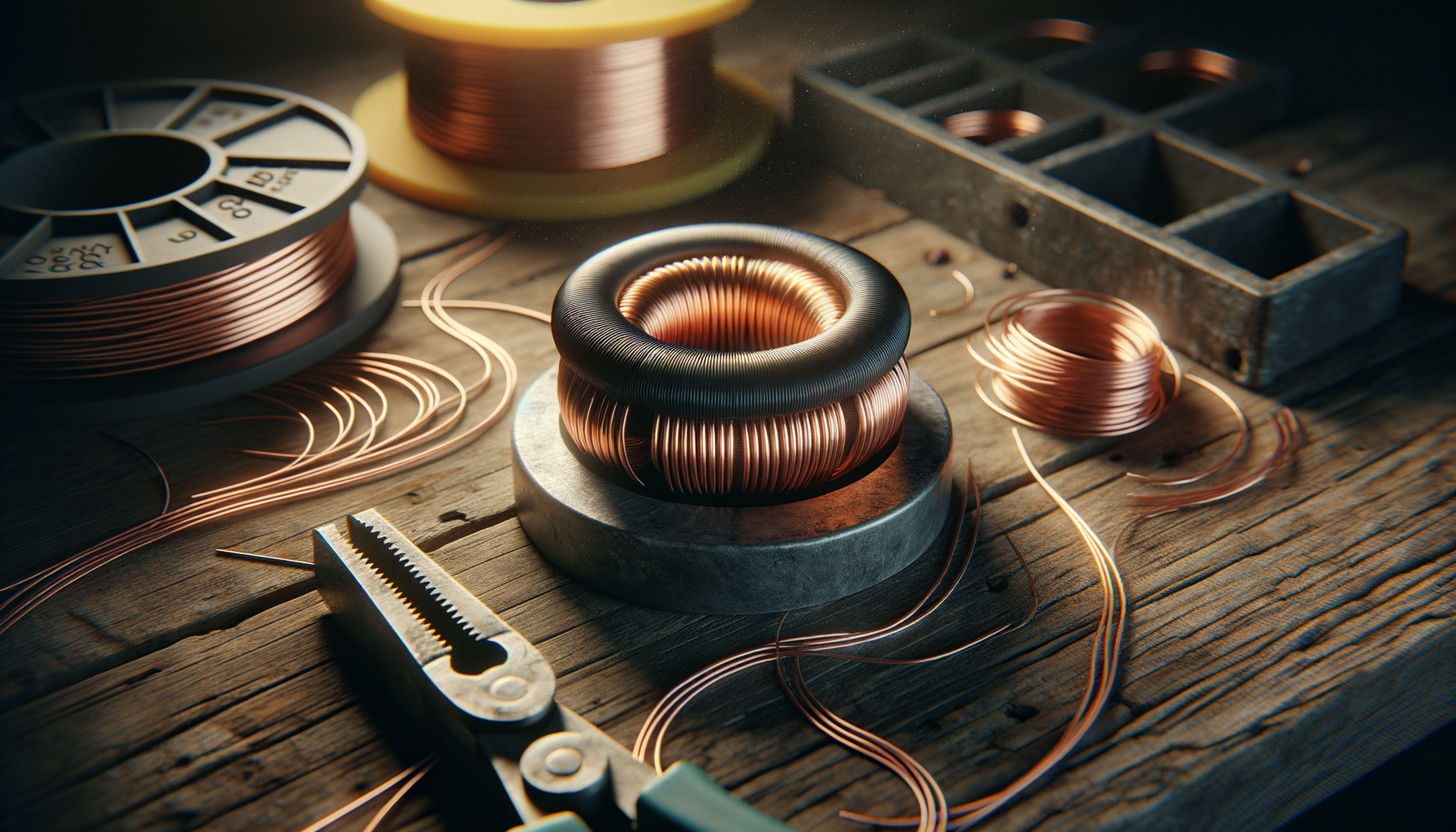
The Core
Non-linear element
A saturating ferrite toroid, a ferroelectric capacitor, or a plasma gap. The part of the circuit that breaks linearity — where input and output stop being proportional and something unexpected starts happening.
Bifilar-wound on a ferrite toroid — Tesla's 1894 configuration (US512340). The distributed capacitance between the windings creates a self-resonant LC circuit in one component. Driven just past saturation, this is where the harmonics come from.
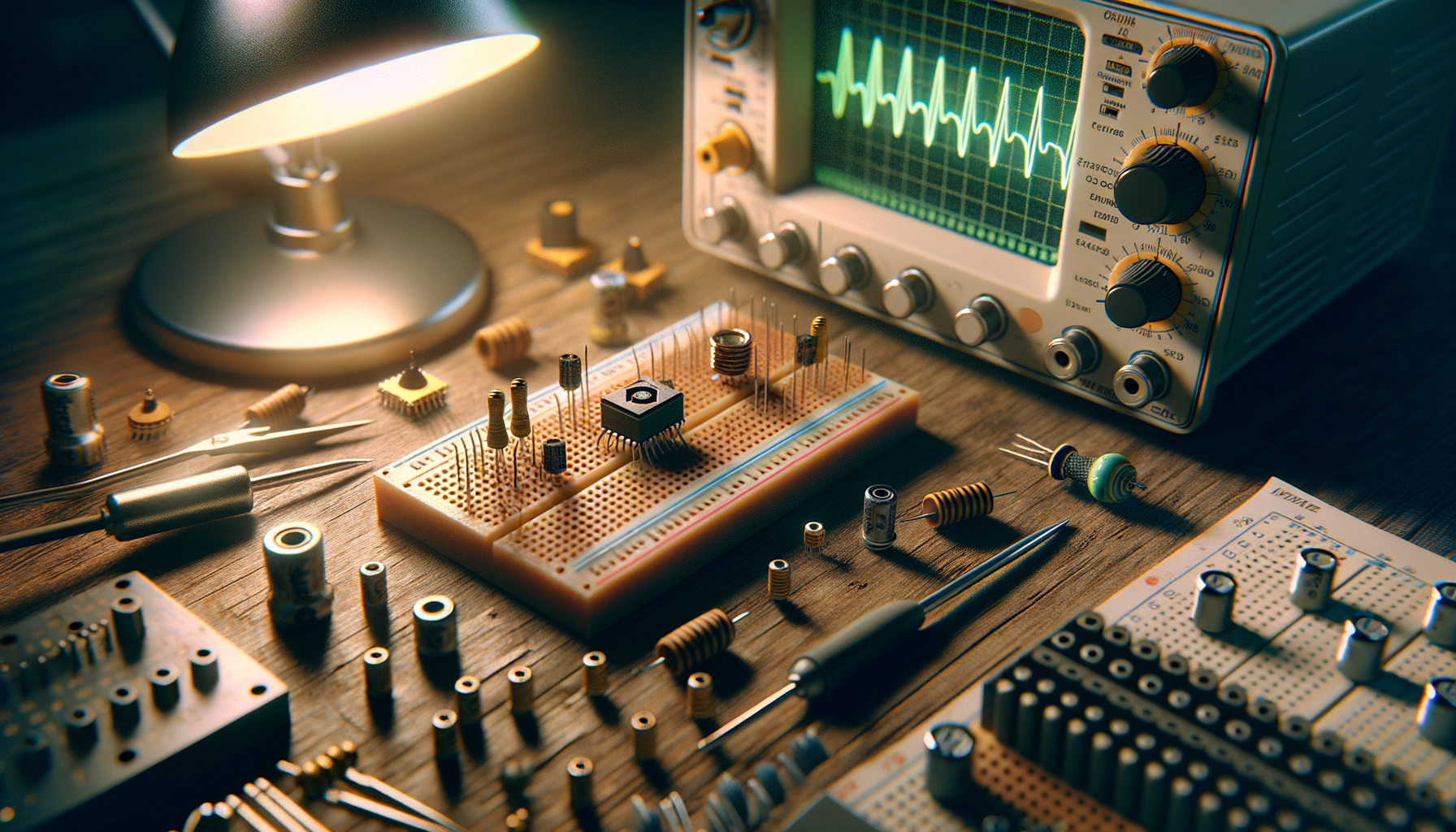
The Tuner
Resonance condition
A tank circuit, a crystal, or a feedback loop designed to find and lock the natural frequency of the system. The patents predict that when The Core and The Tuner align, the device should hum. Whether it does is what we're building toward finding out.
Variable capacitor + inductor, trimmed until the scope shows a clean standing wave. If the theory holds, you'll hear it before you see it on the instruments.
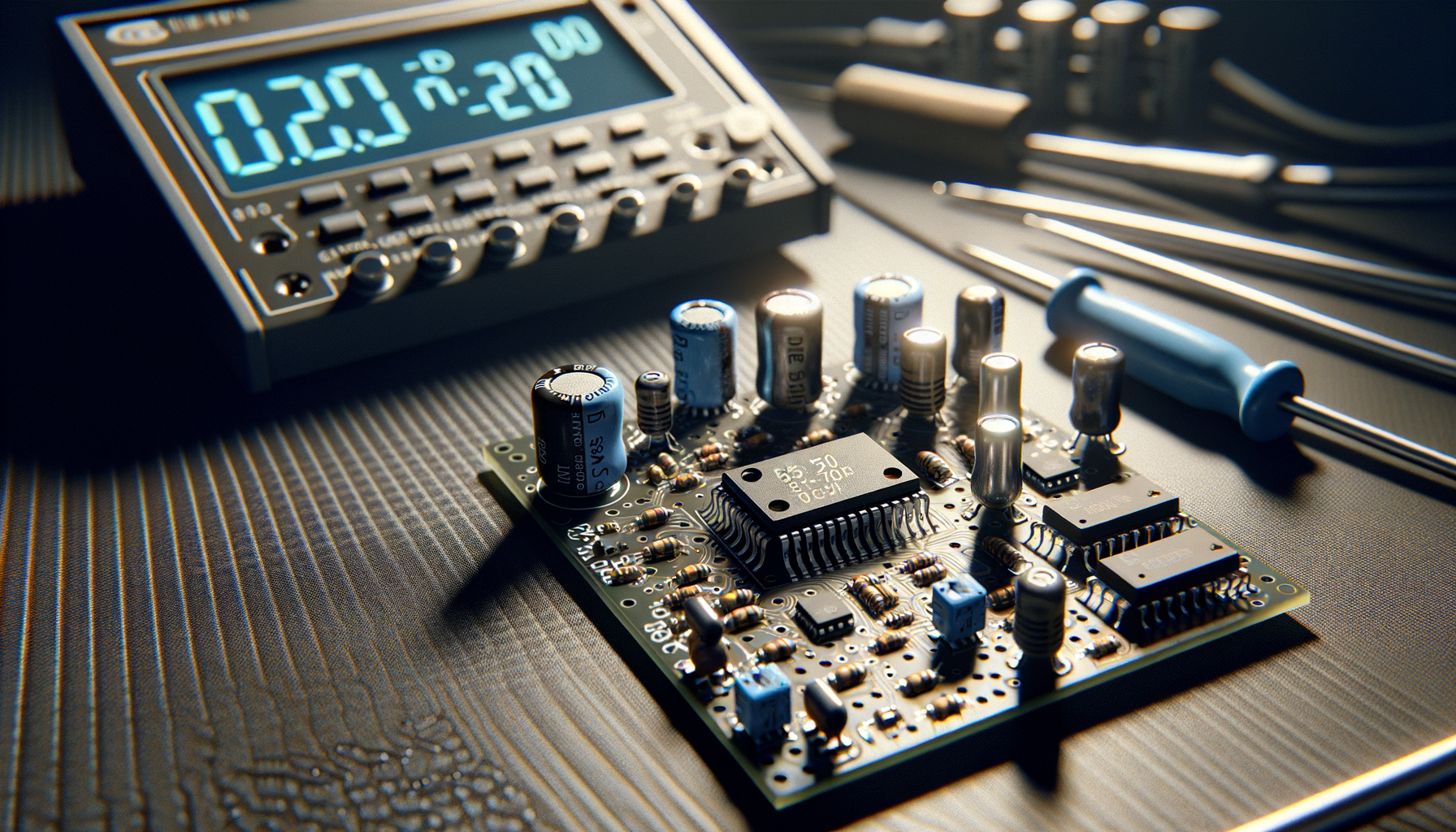
The Spark
Pulsed excitation
A MOSFET driver, a spark gap, or a capacitor-discharge circuit that delivers sharp, precisely timed pulses of energy into the resonant system. Not continuous power — bursts. The sharper the edge, the more the non-linearity responds.
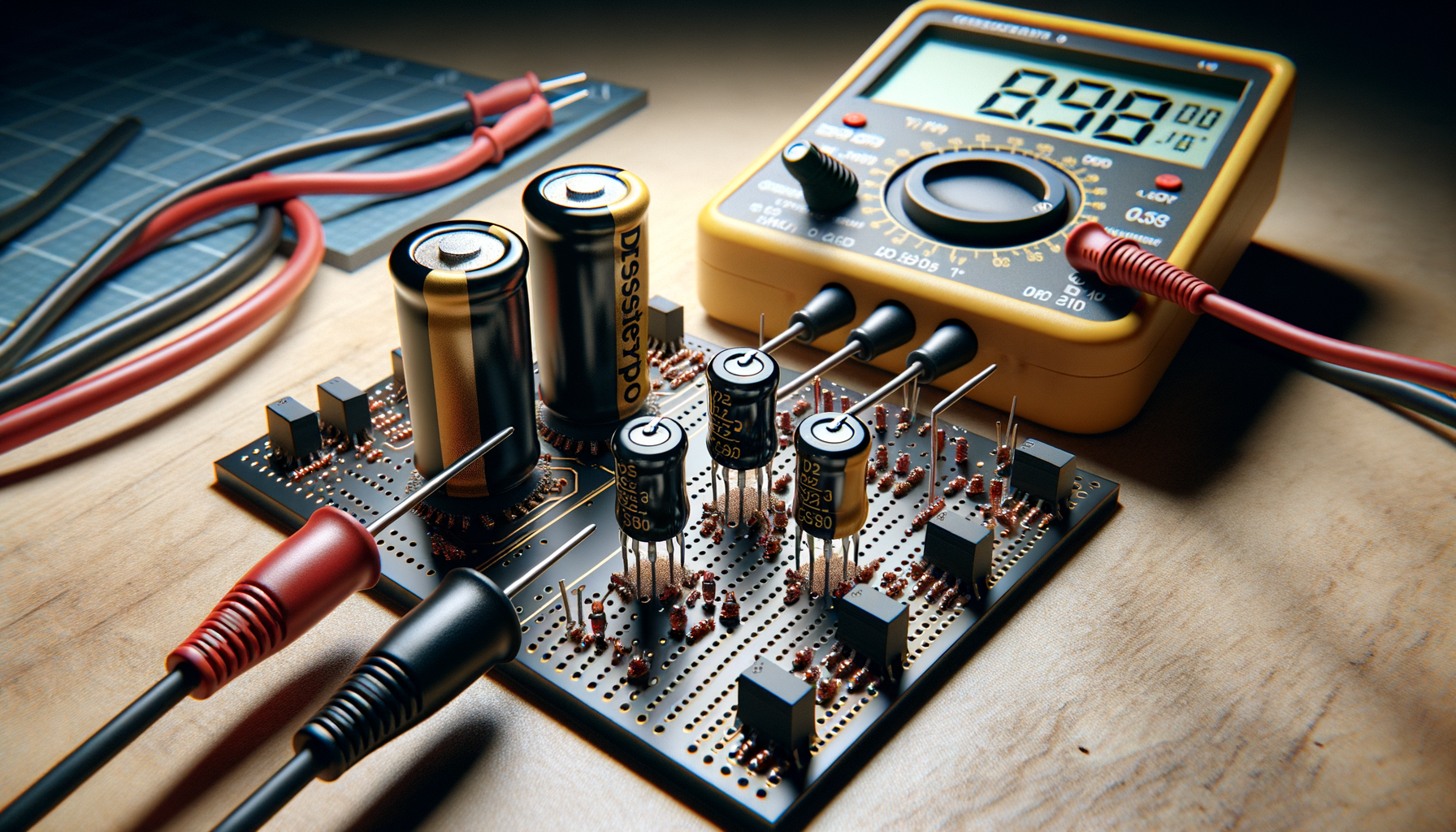
A 555 timer driving a MOSFET gate at 40kHz with a 15% duty cycle. Cheap. Simple. The rising edge is what matters.
The Bridge
Energy recovery
A back-EMF capture circuit, a recovery diode network, or a regenerative feedback path that the patents claim catches the energy the system kicks back on each pulse cycle and feeds it back in. This is where the patents' predictions diverge from conventional efficiency calculations — and where rigorous measurement matters most.
Fast-recovery diodes and a storage capacitor. The back-EMF spike after each pulse is the interesting part — measure it, compare to the calculator's prediction, and see whether reality matches the textbook or the patents.

The Shell
The enclosure
A housing that contains everything — the core, the tuner, the spark, the bridge, and whatever power storage you choose. Could be a lunchbox. Could be a 3D-printed case. Could be a cigar box. The point is: it fits on a shelf.
When it's done, it sits on your bench — ready to test. If the resonant conditions are right and the patents' claims hold, it should hum. Quietly. Persistently. That's what we're measuring for.
Build your Hum
No one has built a working Hum yet. That's the point. We're assembling the knowledge — one confirmed experiment at a time — so that when someone does, the plans are already everywhere.
768 patents. 9 patterns. 29 experiments. Thousands of garages. The 100th Hum doesn't need permission.
Somewhere right now, in a garage that smells like solder flux and coffee, someone is winding a coil and listening for the hum. Are you?