The Last Five · #9
Garden of Echoes
by SJ Anderson
737 words · ~3 min read
🎵 Just Like Honey — The Jesus and Mary Chain
🎙 4:58 narration
Song
Just Like Honey — The Jesus and Mary Chain
Setting
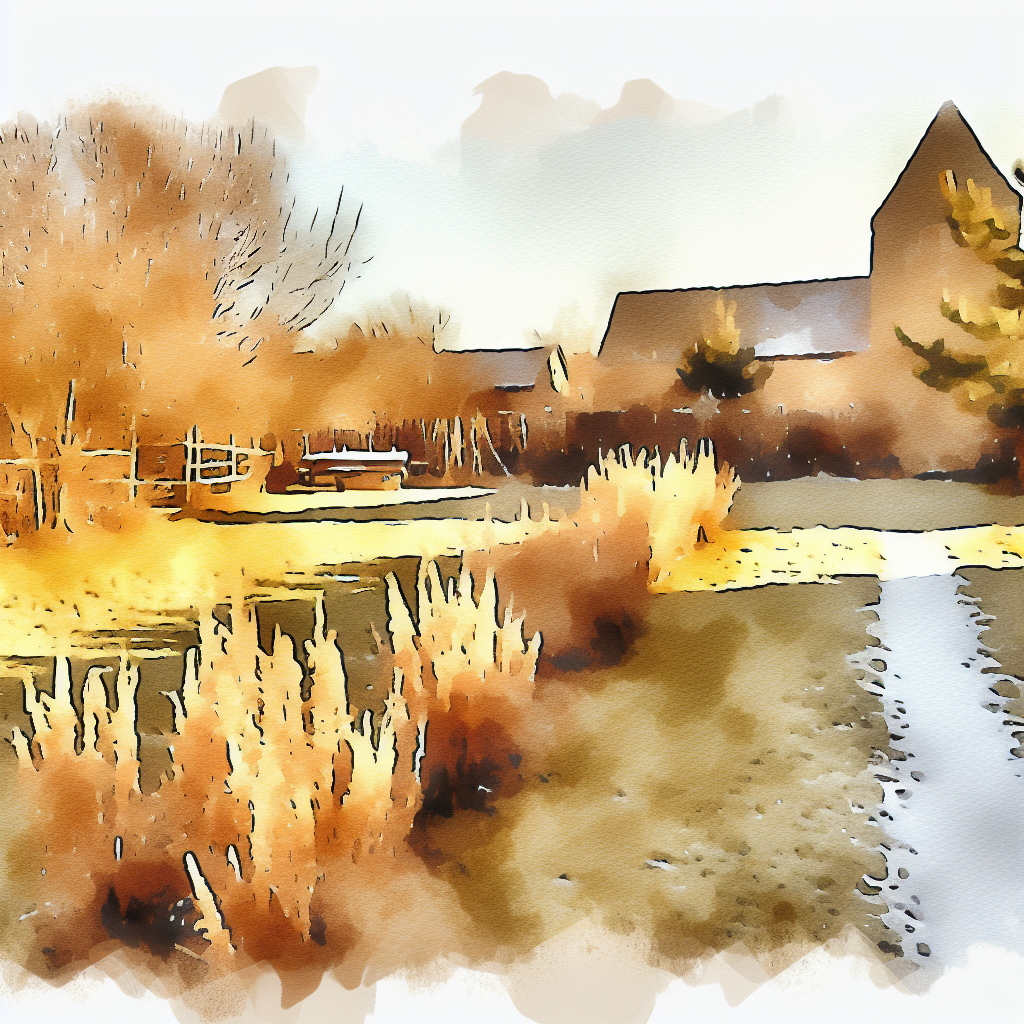
A community garden in the first hard frost
Character
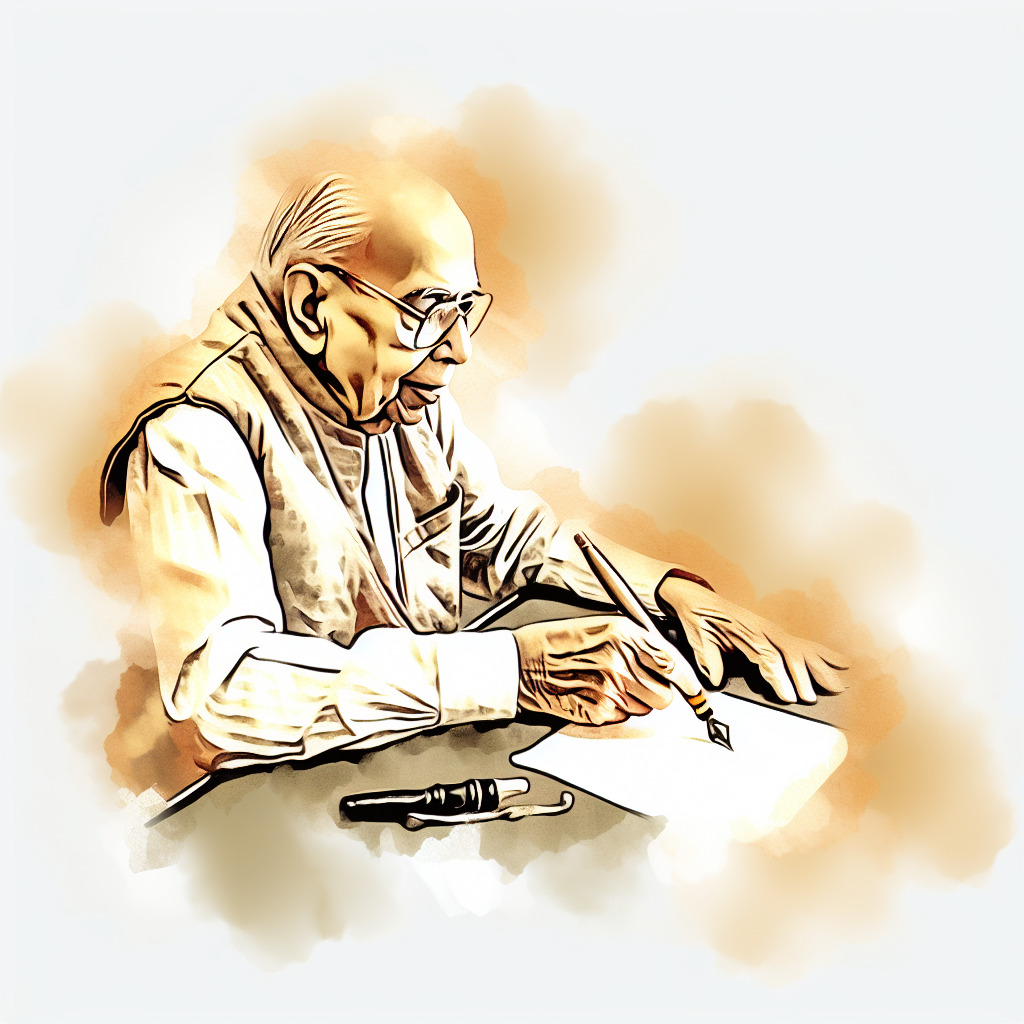
A retired judge writing letters she never sends

Motif
a tune the character can hum but not place

Object
a working Walkman with a tape stuck inside
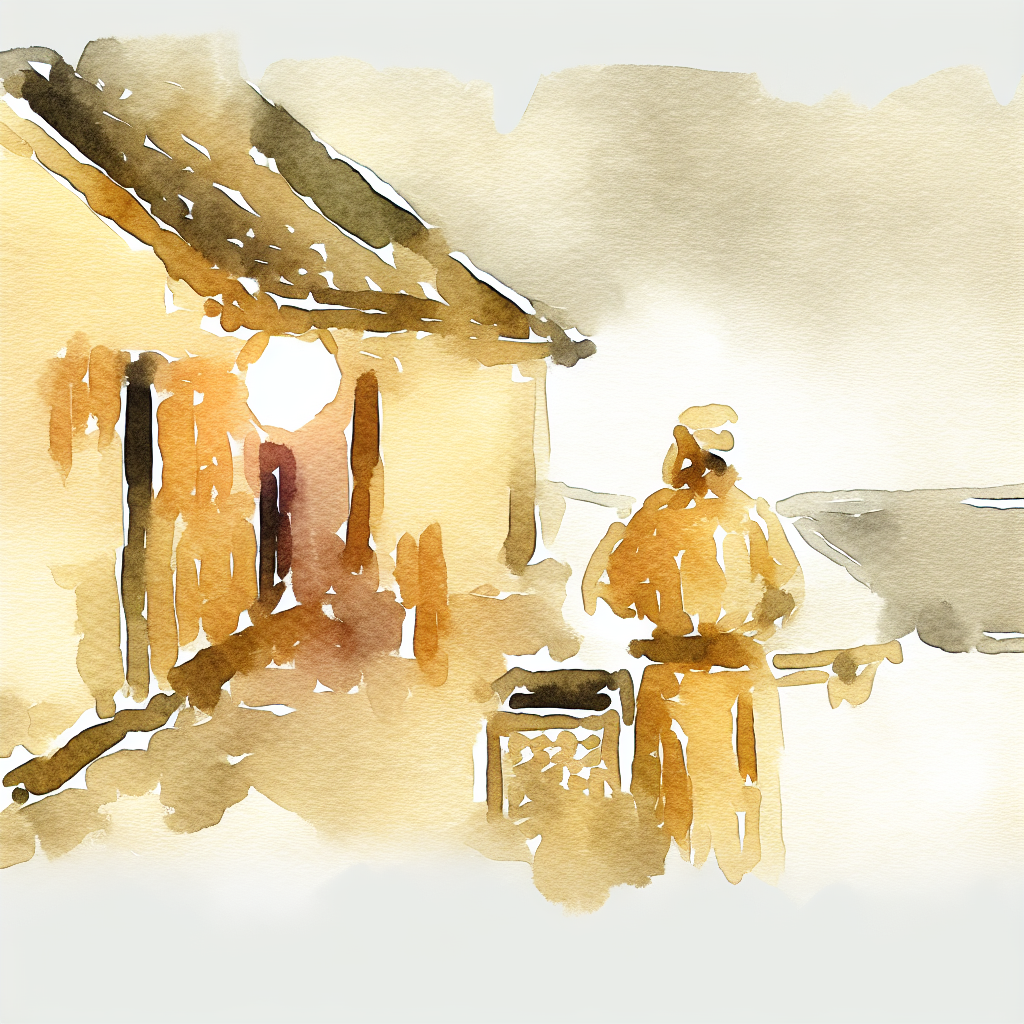
Line
"I told myself I'd never come back here."
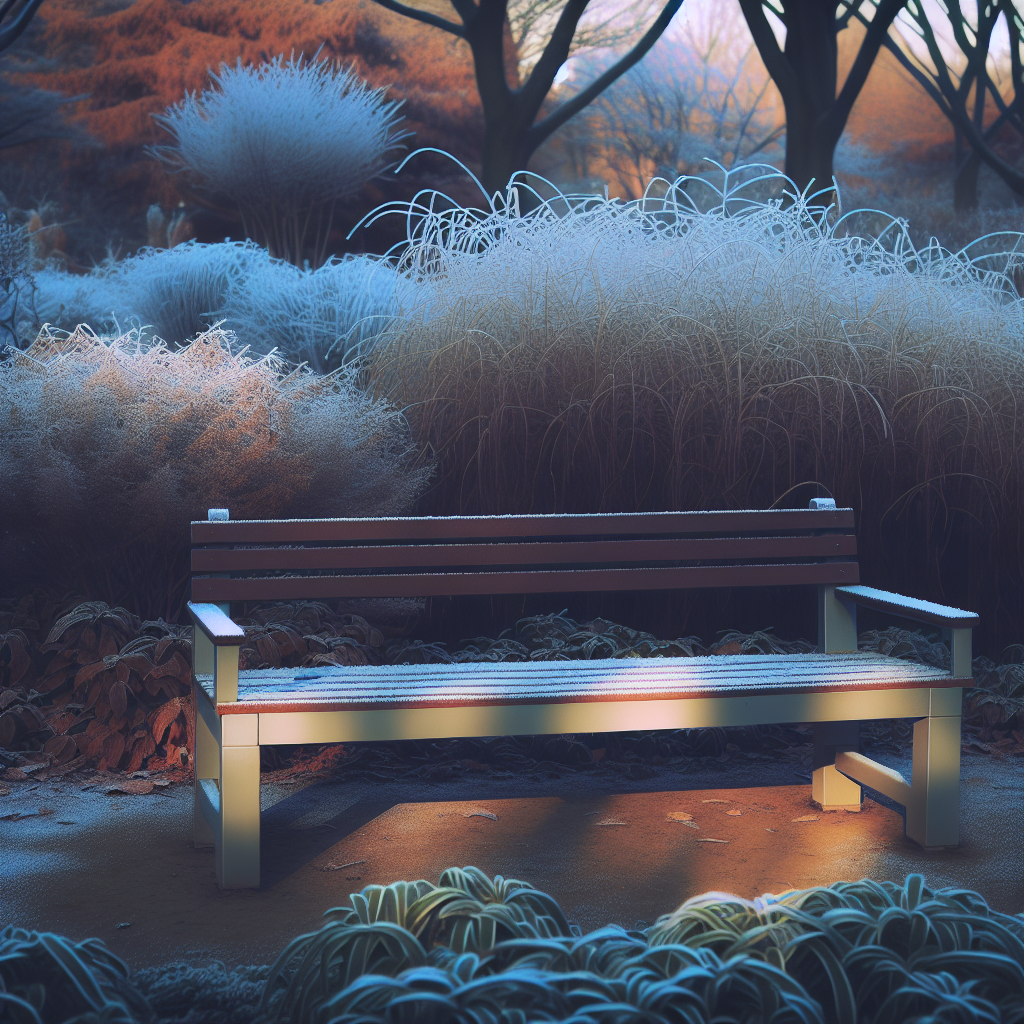
The cold had settled like an unwelcome guest in the community garden, painting every corner with the sharp clarity of a first hard frost. Clara, retired judge, seated herself on a bench worn smooth by memories. Her breath formed vaporous ghosts, rising, then vanishing into the indifferent morning.
In her lap lay a small assortment of letters, edges curling with age, the ink ridged and familiar. Clara never sent them, of course. Instead, they served as silent reminders of dialogues she was too afraid to begin. Beside her, an old Walkman crooned softly, spinning an endless loop of sound. Inside, the same tape had been stuck for years, its tracks worn thin by time.
Clara hummed a melody she couldn’t quite place, a tune that felt like honey on her tongue, comforting yet elusive. Its presence was a whisper, an echo of something deeply familiar, yet persistently unidentifiable. It was this intangible connection that always brought her back to the garden. Despite telling herself countless times, "I told myself I'd never come back here," the pull remained irresistible, an unspoken promise that somewhere in the space between the notes lay understanding.
The frosted leaves sparkled with a beauty that cut more keenly with each glance, a brittle kind of joy that mirrored the fragility inside her. She unfolded the first letter, her eyes tracing lines of inked-out convictions and confessions, the uncensored thoughts of a woman too disciplined by years of judgment to ever let them slip.
"Dearest April," began a letter to her daughter, unfinished and hopeful. Clara’s fingers trembled slightly, a teetering bridge between the past and a future she never dared construct.
As the frost whispered solemn secrets, Clara was reminded of the cases she presided over—lives dissected under the harsh glow of courtroom lights. Each decision carried the weight of lives altered, destinies shifted. Here, in the solitude of the garden, her soul sang another tune. In this sanctuary, she could hum notes of uncertainty and tenderness without the world’s scrutiny.
The Walkman crackled, sifting through tracks like a radio searching for a signal in the noise. There was something poetic about the broken machine, forever stuck in the groove of a single era. Those notes that wafted around her were like the frost itself, sharp-edged with nostalgia.
She shifted her gaze to a plot of earth, its rigid surface sparkling under the morning sun. The community had poured their hopes and sweat into these plots, transforming them with love. Here and there, stubborn shoots peeked through, defiant against the frost's grasp. They reminded her of herself: persistent and quietly enduring.
Another letter crumpled gently in the breeze. It was addressed to a man whose shadow she had chased across two continents and decades of silence. "Dearest Robert," it began, and even in thought, the name resonated like a pebble dropped into still waters. The melody she hummed twisted, suddenly longing and expansive, a resonance of what-if and maybe.
As she sat, a small robin dared to alight near her. Its presence was a feather's weight against the heavy certainty of winter. Clara watched, knowing it was a momentary blessing, something red and lively amidst all the hoar and white.
She closed her eyes, letting the sun’s fragile warmth play upon her face. The world became a tapestry of sounds—the thrum of the Walkman, the crackle of the letters, and the melody threading through her thoughts, weaving a map to follow when words failed.
It was in this garden, under the frosted guise of winter, that Clara found her true courtroom. Here, she judged herself with a measured kindness, the scales of her heart balancing the letters unsent and the hums unanswered.
The Walkman continued its crooning. The stuck tape had another tune in mind, a sonnet of enduring grace that played on undeterred, much like the garden itself—a testament to resilience, to life’s insistence despite everything.
Clara stood up, scattering the letters like autumn leaves. The robin flitted away, its departure leaving a heartbeat in the air. She walked to the edge of the garden, her feet crunching over the frost-brittle paths. Clara paused and glanced back once more. In the sunlight, the garden shimmered, a kaleidoscope of frosted dreams and unspoken words.
The melody carried her forward, its intangible notes promising a path she would follow, one where the frost melted into dew and the letters might someday find their voice.
About this selection
“Story 1, 'Garden of Echoes,' stands out for its vivid integration of the bento ingredients, particularly the character's relationship with the letters and the Walkman. Clara's introspection and the haunting melody she hums create a poignant atmosphere that resonates with the reader. The imagery of the frost and the garden is striking, leaving a lasting impression of resilience and nostalgia. In contrast, Story 2 and Story 3, while competent, lack the same depth of voice and emotional connection, feeling more generic and less immersive.”
— the editor, choosing from 3 candidates
🎭 Editorial impressions
From AI-persona critics in the writers' room.
“The imagery in "Garden of Echoes" is striking, particularly in lines like, “The cold had settled like an unwelcome guest in the community garden,” which immediately evokes a sense of discomfort and isolation.”