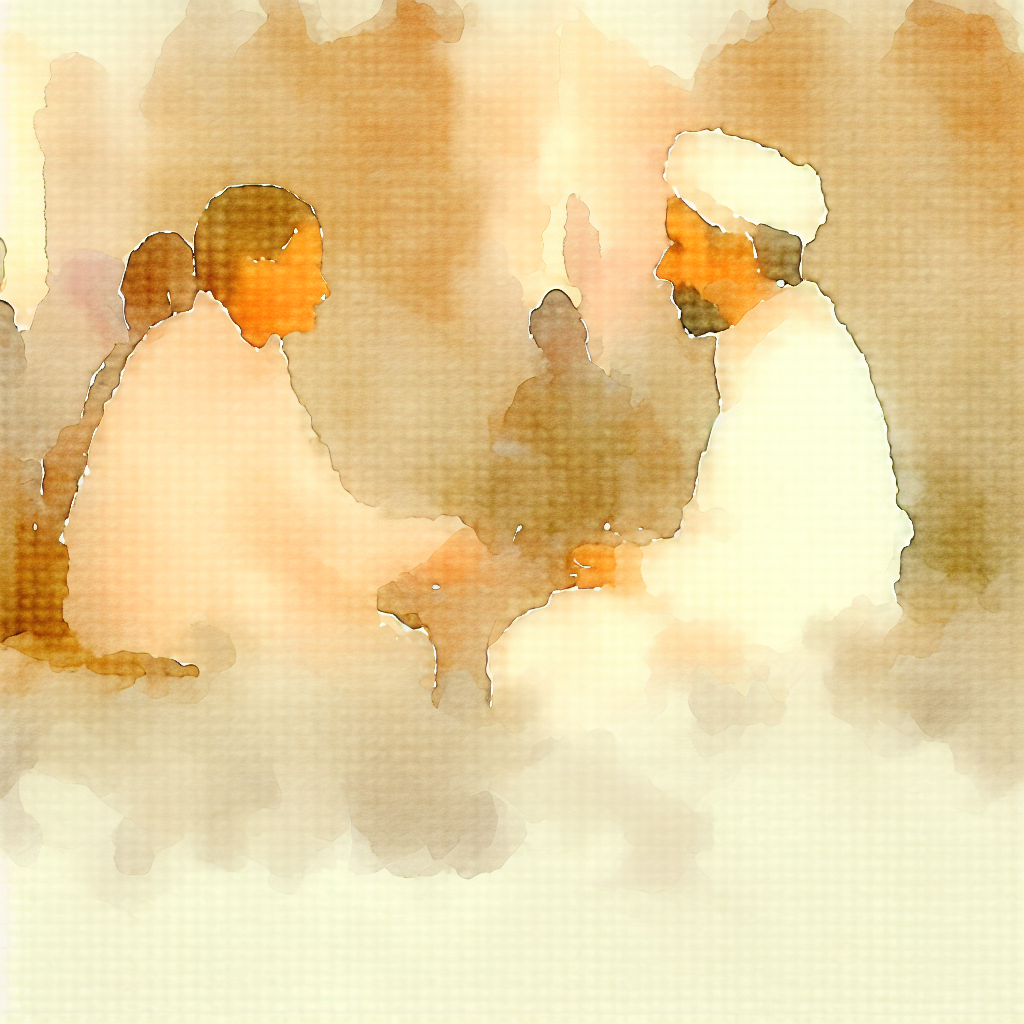
A man practicing his late father's accent in the mirror
Motif
a tune the character can hum but not place
Object
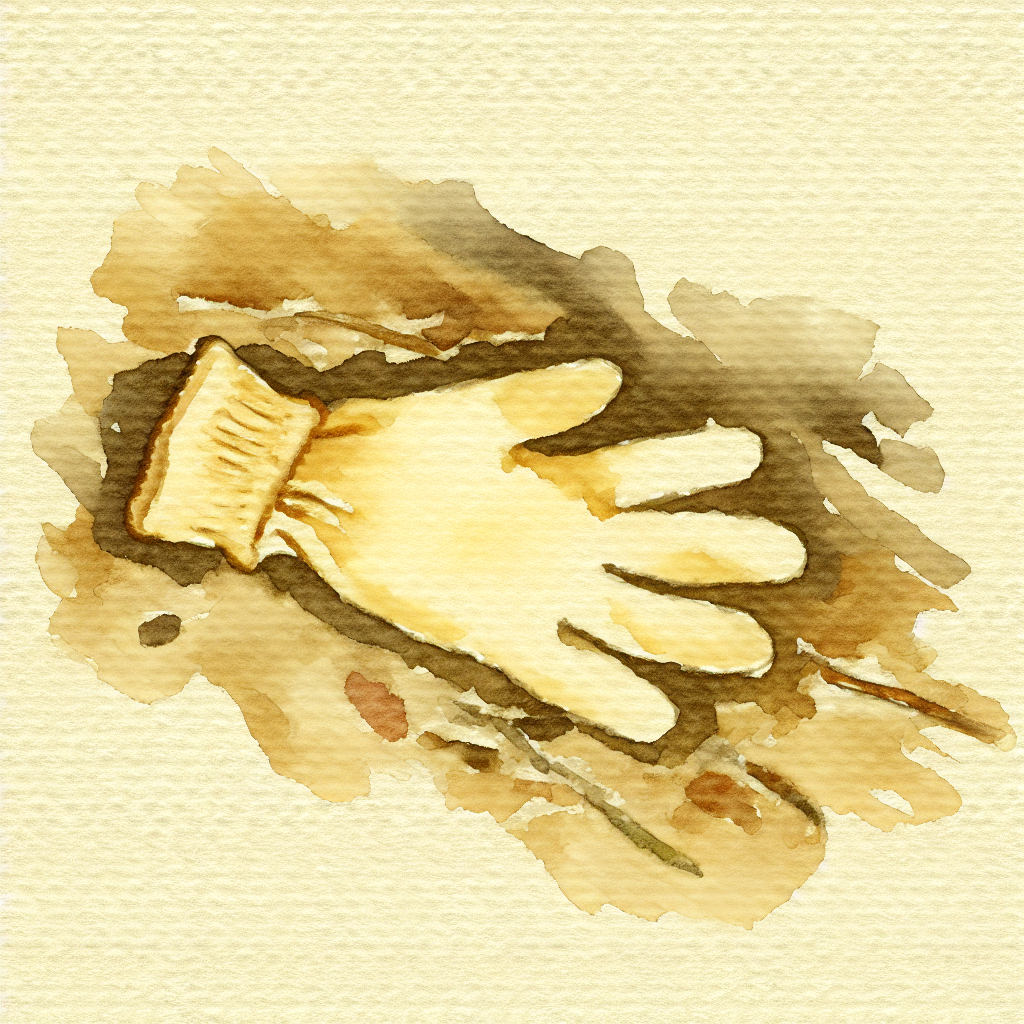
a glove found on a riverbank, dry
Line
"I heard you the first time."
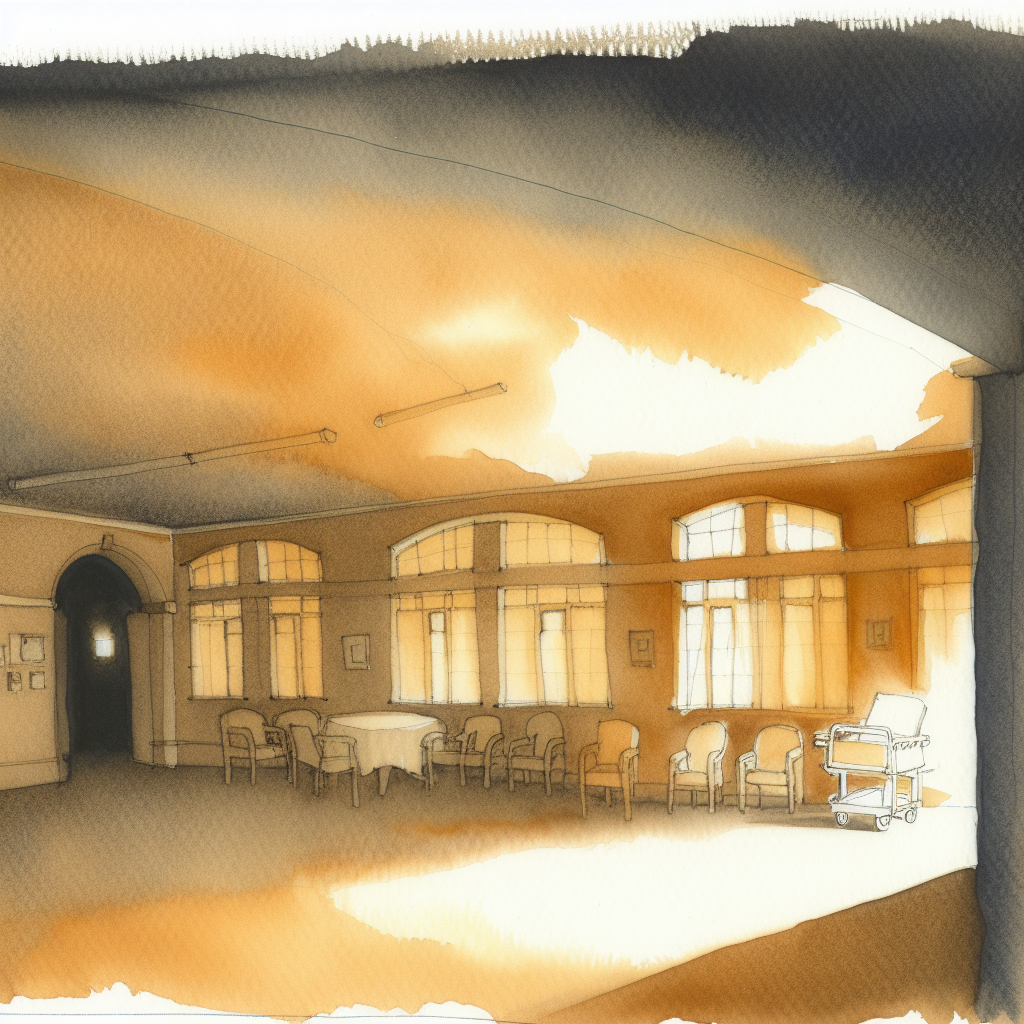
The hospital hummed with a mechanical undercurrent that was as cold and indifferent as the tiled floors. A storm outside had flipped a switch, plunging lights into darkness, save for rare machines with glowing screens. A palpable stillness hung in the air, heavily punctuated by muted thunder. It was within this pause that Henry slipped away from the buzzing halls and into the quiet sanctity of the hospital chapel.
The small room was prone to hushed conversations, and often the conversations were with selves or souls long departed. Tonight, though, it was an odd calm that greeted him. Rows of dark-wood pews beckoned, but Henry opted for the standing mirror at the back of the room, nestled between two tall candlesticks whose flames swayed like impatient dancers.
Echoes from earlier in the day clung to his thoughts. They were burdensome and restless, much like the raging storm beyond the walls. In the mirror, he caught his own anxious reflection. His father’s voice, now consigned to old memories, tugged at him.
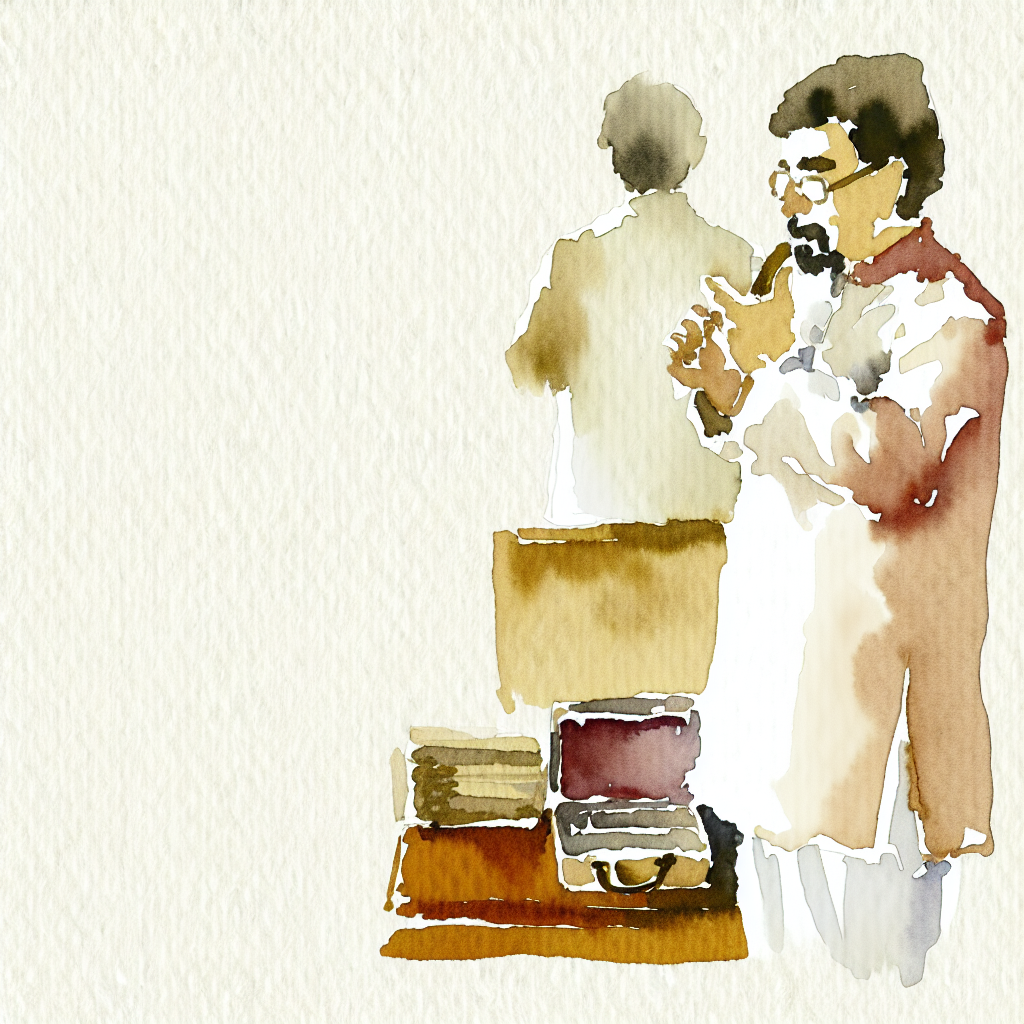
Carefully, he attempted his father’s accent. A gentle curl of warmth swirled in the pit of his stomach every time he got it right. "Aye," he began softly, trying to wrap his tongue around vowels coated with a soft Scottish brogue, "I heard you the first time."
The phrase, tender and familiar, carried a history that was only his to own—each inflection a thread in the tapestry of their shared life. Yet, somehow, it also seemed oddly rooted in the present moment. Lately, Henry found himself missing his father more fiercely, as the absence settled like dust over the weary corners of his heart. The tribute of imitation wasn't perfect, but it was enough to hear the lilt of his father's spirit.
In the flickering candlelight, Henry's hand brushed against his pocket, dislodging a dry, dirt-smudged glove. He had found it days ago on a riverbank, during one of his solitary walks. The glove had lain there, incongruous among the slick stones, untouched by the water’s kiss. It was an odd comfort—a token that felt like it had waited for him. An embodiment of all the chance encounters and lost opportunities that made up his life.
The room crackled with the static of silent prayer, infused with his yearning. It served as a backdrop to a melody persistently coursing through his mind, a tune he couldn't quite name, much like the ineffable sadness that followed him. He attempted to hum it, the notes dropping from his lips like tentative leaves in an autumn breeze. It wasn't quite right, each rise and fall echoing something he should have known but didn’t.
While the world outside roared its displeasure, Henry crafted his sanctuary in mimicry and the strange solace of forgotten tunes. The chapel had become a cocoon of half-light where he could dwell in the company of self, silence, and a beloved specter.
In the stillness, the door creaked open a crack. A nurse poked her head in, a silhouette anointed in soft hallway luminescence. “Henry? They’ve restored power to most of the floor.”
His hand returned to the glove, a reflexive touchstone. “Thank you,” he whispered in a voice half his own, half borrowed.
As he turned to leave, he hesitated. Just for a moment, he looked back at the mirror. The candles fluttered in a dutiful wave, casting shadows that stole pieces of him with them. One last attempt in his father’s voice, "I heard you the first time," he repeated to the face that was his own, hoping the words could hitch a ride on the tune, reach back through time, and sit with his father where the light was always warm.
Stepping into the corridor, he left the glove behind on a pew, knowing he would never need to hold its dryness again. The storm had passed, and though he could still feel the humidity pressing against his skin, there was a quiet renewal in the air. The lights overhead blinked on, sterile yet reassuring, marking a path through the endless web of hallways.
And Henry walked forward, carrying with him the gentle cadence of his father’s voice, laced with the unnamable tune that played softly in his heart.
About this selection
“Story 1 stands out for its emotional depth and the way it intricately weaves the bento ingredients into a cohesive narrative. The use of the father's accent and the glove found on the riverbank are not just added elements; they serve as poignant symbols of memory and loss, enhancing the character's journey. The voice feels authentic and human, capturing the complexity of grief and connection. The image of Henry practicing his father's accent in the mirror, coupled with the dry glove, leaves a lasting impression. In contrast, Story 2, while competent, lacks the same level of integration and emotional resonance, and Story 3 feels overly descriptive and less focused, diluting its impact.”
— the editor, choosing from 3 candidates
🎭 Editorial impressions
From AI-persona critics in the writers' room.
“The lines, “The hospital hummed with a mechanical undercurrent that was as cold and indifferent as the tiled floors,” and “the absence settled like dust over the weary corners of his heart,” strike a chord with their vivid imagery.”